

"After the breakup I didn't know who I was without them. My routine, my future, even my…"
Softening heartbreak for thousands 

Your healing through heartbreak starts here.
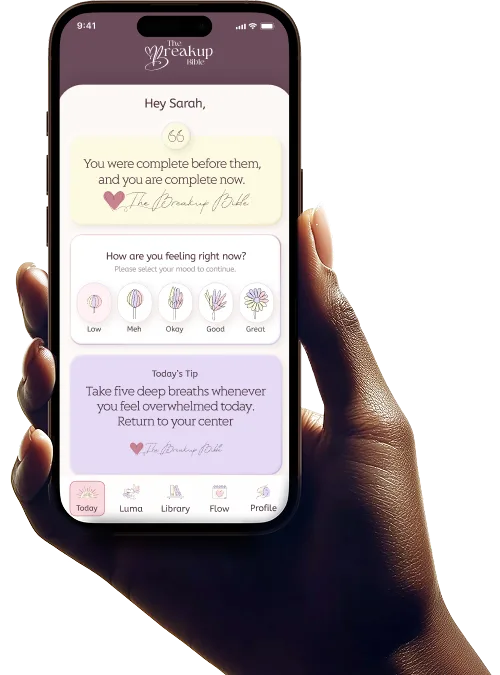
A space where healing feels empowering and progress unfolds at your own pace. The Breakup Bible app is out now, free to download with a 7-day free trial.
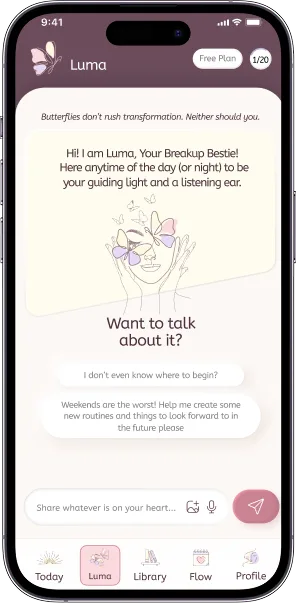
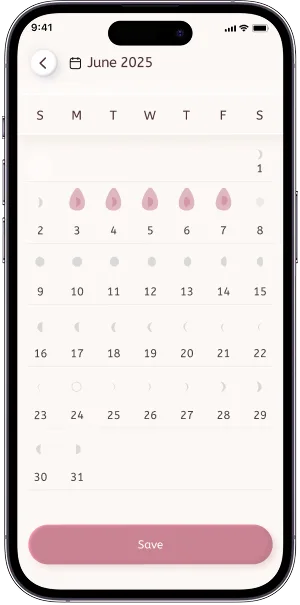
Meet Luma, your Healing Hype Girl who is awake at 2am, plus daily check-ins, a healing feed, and cycle insights. Start with a 7-day free trial.
For you
I'm going through it
Start with the recovery guide, find your stage with the two-minute quiz, and meet Luma, your Healing Hype Girl built for the 2am hours.
Start here For her peopleI'm here for a friend
What to say, what to send, and how to gift her support that is awake when you are not. The supporter's guide starts here.
Help a friend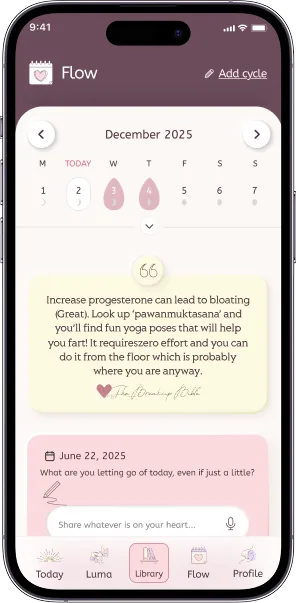
Breakup Stories Uncut
"We broke up the day we moved in together! All time low, surrounded by boxes and filled with…"
"I broke it off because I new I had to put myself first. Being the person to make the call wasn't…"
Where heart break is shared, healing follows.
Share your storyRead other stories
Do you feel alone in this healing process? Reality check, you are so far from alone and we have proof!
Some of our community members have kindly shared their breakup story in the hope to help others with theirs.
Read Breakup Stories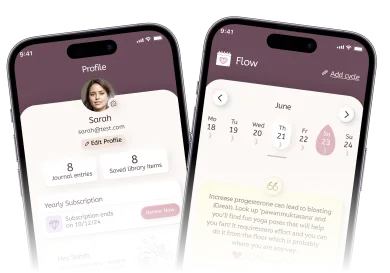
When your mind won't slow down… this space will.
A calm corner just for you, where your feelings are allowed, your thoughts can soften, and your healing unfolds at your pace.
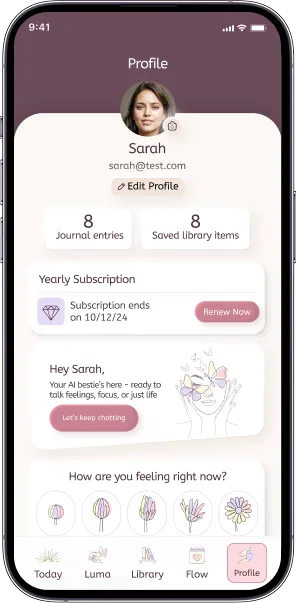
Your journal, your reflections, your saved moments of grounding… always here when you need to come home to yourself.

What's meant for you will never require you to shrink.
You put the phone down before the spiral started. Certified icon behaviour.
Your standards just got a glow-up. Congratulations to you, honestly.
Imagine a daily message that pulls you out of the spiral (and maybe makes you smirk).
These nudges are gentle, not demanding.
A cue to breathe, a hint of perspective, a burst of hope… right when you need it most.
Tested Quietly. Loved Deeply.
"I stopped doom-scrolling and started actually processing my feelings. That alone was worth it."

"It's like having a therapist, best friend, and personal cheerleader in your pocket."

"It made the worst part of my breakup feel less lonely. I didn't expect that level of comfort."

"I am so much kinder to myself now during hormonal changes that I never even realised would add to my hurt. I am learning so much about my cycle and the feelings that come with it."

"Luma got me through my 2am spirals. Having something to actually talk to in those moments changed everything."

"The daily nudges meet me exactly where I am. They feel less like notifications and more like a friend checking in."

Today's Feed
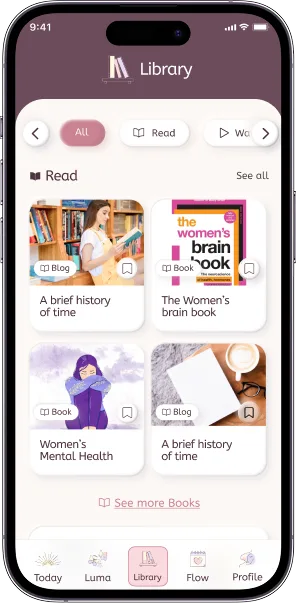
A curated feed of relatable stories, expert advice, resources that provoke shifts and support that offers perspective.

LATEST ARTICLE Blogs
Why Breakups Trigger Anxiety and Panic (Your Nervous System Explained)
Start Reading


Frequently Asked Questions
What is The Breakup Bible app?
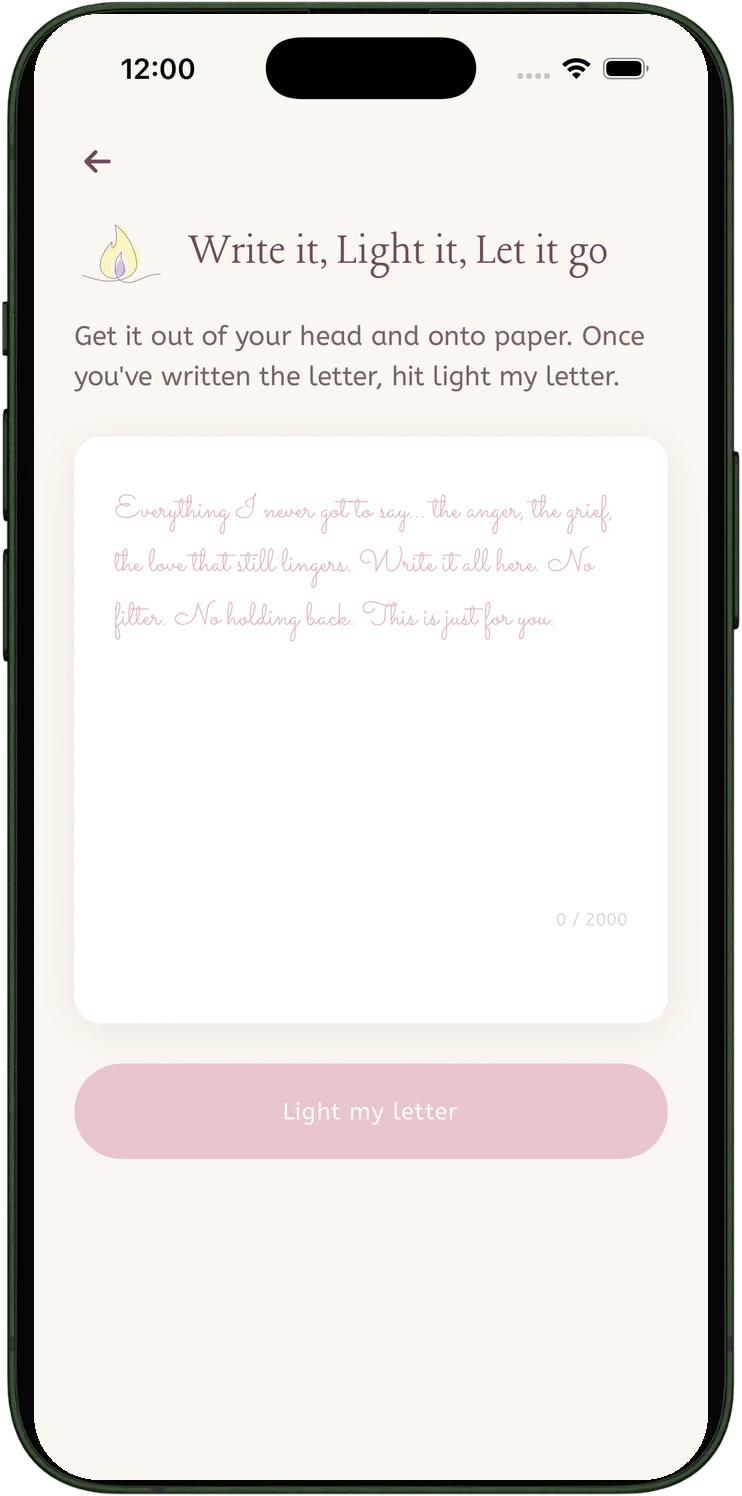
The Breakup Bible is a breakup recovery app for women. It gives you Luma, your Healing Hype Girl who is awake at 2am, daily check-ins and journal prompts, a healing content feed, Burn a Letter (write everything you wish you could say, then watch it burn), and cycle-aware mood insights. Free to download on iOS and Android, with a 7-day free trial on the yearly plan.
Is The Breakup Bible available now?
Yes. The Breakup Bible is out now on the Apple App Store and Google Play, free to download with a 7-day free trial on the yearly plan. A subscription unlocks unlimited Luma, the full content library, and all your insights.
How much does it cost?
The Breakup Bible is a subscription with a 7-day free trial on the yearly plan. It is free to download, and after the trial you get unlimited Luma, the full healing library, and all your cycle and mood insights. You can also gift a subscription to a friend.
Can I gift it to a friend?
Yes. If someone you love is going through a breakup, you can gift them The Breakup Bible from inside the app, or from the Gift page on this site. They get a code that unlocks the subscription on whichever phone they have.
Who is The Breakup Bible for?
The app is designed for anyone navigating heartbreak, identity shifts, emotional recovery, or personal growth after a breakup, no matter how long it's been.