

Why Heartbreak Can Change Your Personality (And Why It’s Usually Temporary)
Understand why heartbreak can change your personality. Learn what happens in your brain and body, and how to begin healing.
Chapter Summary
Feeling like a different person after heartbreak is incredibly common, and you are not alone in this experience. The profound emotional stress of a breakup can temporarily reshape your personality, making you feel more sensitive, withdrawn, or even irritable. You might wonder who this new version of yourself is, or why your usual reactions have shifted so dramatically. This isn’t a permanent transformation, but rather a natural, albeit challenging, response to intense emotional upheaval.
This chapter will explain how emotional stress impacts your behavior, mood, and social interactions. You will understand why your sensitivity increases, why your mood fluctuates, and why your social habits might change. These shifts are part of healing from heartbreak, not signs that something is wrong with you. Most importantly, you will discover why these shifts are typically temporary, offering a powerful opportunity for profound personal growth and self-discovery as you heal.
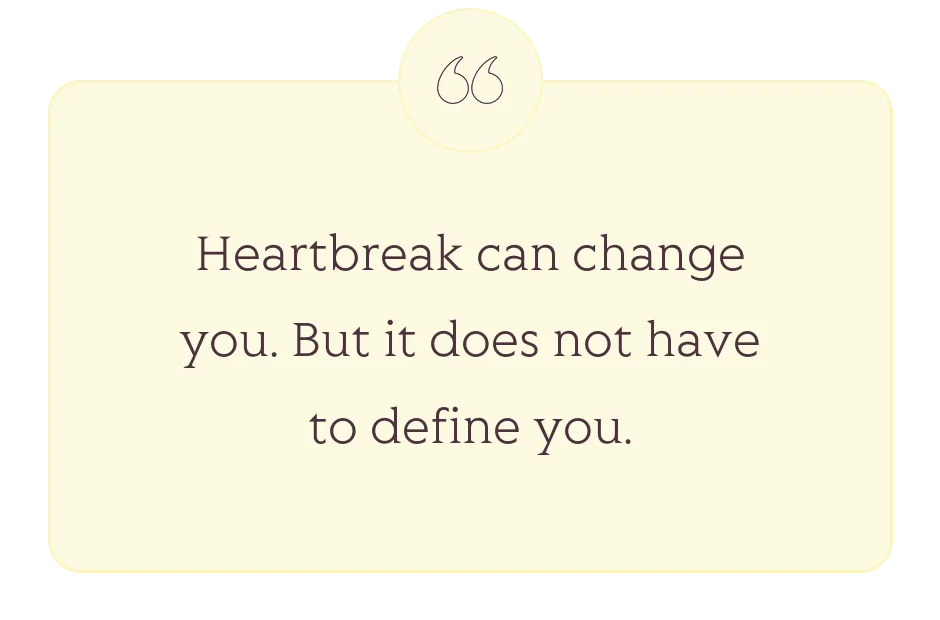
Why Heartbreak Can Change Your Personality (And Why It’s Usually Temporary)
After a breakup, many people notice something unexpected.
They don’t just feel sad, they feel different.
You might notice changes in yourself such as:
- feeling quieter or more withdrawn
- losing interest in things you used to enjoy
- feeling more anxious or sensitive than usual
- struggling to concentrate
- feeling emotionally exhausted
Some people even begin wondering if the breakup has permanently changed them.
You might find yourself thinking:
“Why don’t I feel like myself anymore?”
“Will I always feel this way?”
“Did the breakup change who I am?”
These experiences are far more common than many people realise.
Heartbreak can temporarily influence how you think, feel, and behave. Your whole system, mind and body, is adjusting to a loss it wasn’t planning for.
How Emotional Stress Affects Behaviour
A breakup is not just an emotional event, it can hit your whole body like real stress.
You might also find it helpful to read: Why Breakups Feel Like Losing Yourself (And How to Find Your Way Back).
When your world tips sideways, it makes sense that you go into a bit of self-protection mode.
This can look like:
- reduced energy
- increased emotional sensitivity
- a stronger need for solitude
- difficulty concentrating
None of this means your personality has permanently changed.
It just means you’re in the thick of it, and your mind is doing exactly what it’s meant to: trying to steady itself while you find the ground again.

Why Mood Can Fluctuate After a Breakup
After a relationship ends, your moods can swing in ways that catch you off guard.
You might also find it helpful to read: How to Rebuild Your Identity After a Breakup and Find Yourself Again.
Part of this is simply chemistry, not the romantic kind. Being close to someone becomes a steadying rhythm for your nervous system, and when that person is suddenly gone, the calm they gave you switches off overnight. Your mind hasn’t caught up to the change yet.
That’s why one day you might feel calm, even hopeful, and the next the sadness shows up out of nowhere.
This unpredictability isn’t a setback. It’s just what recovery tends to look like while you find your footing again.
Why You May Feel More Sensitive Than Usual
Many people notice that they become more emotionally sensitive after heartbreak.
Things that normally wouldn’t bother you may suddenly feel like too much.
A song, a memory, or even a passing thought can bring on a wave of emotion out of nowhere.
That’s not you being dramatic. You’re carrying a lot right now, so it makes sense that your reactions feel bigger and closer to the surface than usual.
Over time, as things settle, this sensitivity usually softens.
Why Social Behaviour Can Change
After a breakup, people often notice shifts in how they interact with others.
Some people become more socially withdrawn.
Others feel a stronger desire to spend time with friends and family.
Both responses are natural.
Withdrawing can create space to process emotions privately.
Seeking connection can provide reassurance and emotional support.
As healing progresses, many people gradually return to their typical social patterns.
Why These Changes Are Usually Temporary
Although heartbreak can shake up your mood and behaviour, most people gradually find their way back to their usual selves over time.
As you work through the breakup and settle into new routines, things tend to steady out.
You may begin to notice small shifts such as:
- your energy starting to return
- your interests feeling engaging again
- your emotional reactions becoming more balanced
These changes often happen gradually rather than suddenly, but they’re a good sign you’re healing.
The Opportunity for Personal Growth
While heartbreak can feel destabilising at first, many people eventually discover that the experience also leads to meaningful personal insight.
The healing process often encourages reflection on questions such as:
- What emotional needs matter most to me?
- What communication patterns feel healthy in a relationship?
- What kind of partnership do I want moving forward?
These reflections can deepen emotional awareness and help people build stronger relationships in the future.
Frequently Asked Questions
Can heartbreak change your personality? Heartbreak can temporarily influence mood, behaviour, and emotional sensitivity while the brain processes the loss of a relationship.
Why do I feel like a different person after a breakup? Emotional stress and changes in routine can affect how you think, feel, and behave during the adjustment period.
Is it normal to lose motivation after a breakup? Yes. Emotional processing can temporarily reduce energy and focus.
How long do personality changes last after heartbreak? The timeline varies, but many people gradually return to their usual emotional patterns as healing progresses.
Can heartbreak lead to personal growth? Many people eventually gain insight into their emotional needs and relationship patterns during the healing process.