

Common Breakup Behaviours Explained
Common Breakup Behaviours Explained. Understand the science and psychology behind this breakup experience and how to cope.
Chapter Summary
If you are finding yourself acting in ways you do not recognize, feeling overwhelmed by intense urges to check your ex’s social media, or replaying every memory, please know you are not alone. These confusing behaviors are common, powerful reactions to the profound loss of a breakup. You are processing real, deep pain and getting used to the sudden absence of someone who mattered, which is exactly why these feelings and actions can feel so hard to control. It is a natural, albeit painful, part of healing.
Common Breakup Behaviours Explained
Breakups often trigger behaviours that can feel confusing, impulsive, or even embarrassing.
Many people find themselves doing things they never expected, such as repeatedly checking their ex’s social media, rereading old messages, or feeling an overwhelming urge to send a text late at night.
(Sometimes your brain suddenly becomes a full-time detective, analysing Instagram stories like they contain hidden clues.)
If you’ve experienced these behaviours after a breakup, you’re far from alone.
In fact, these reactions are extremely common during heartbreak.
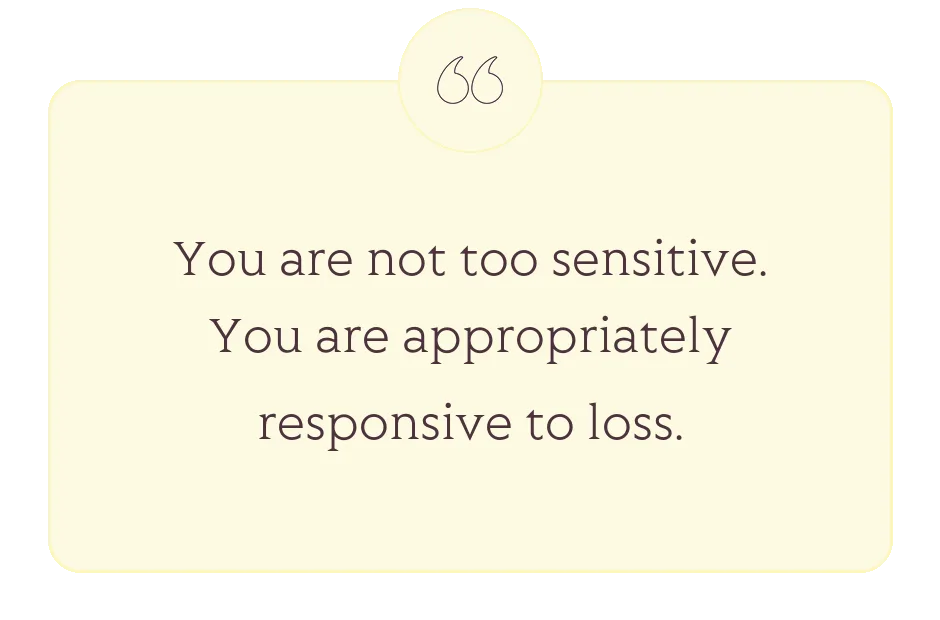
They are not signs of weakness or emotional instability. Instead, they often reflect how you are adjusting to losing someone who was woven into your everyday life.
Understanding why these behaviours happen can help reduce shame and provide clarity during the emotional turbulence that often follows the end of a relationship.
Why Breakups Trigger Strong Behavioural Reactions
Falling for someone rewires your everyday life more than you probably noticed while it was happening.
You might also find it helpful to read: Why You Suddenly Want to Contact Your Ex Again After Weeks of No Contact.
Your partner becomes your comfort, your familiarity, the person your day naturally bends around. Over time they get folded into your routines, the way you communicate, even how you settle yourself down after a hard day.
(In many ways, they become part of the furniture of your everyday life.)
When the relationship ends, all of that disappears at once, but your habits do not get the memo straight away. You may find yourself wanting information, wanting contact, or wanting to make sense of what just happened, all at the same time.
These are the behaviours you will recognise: checking social media, wanting to reach out, going over the relationship in your head, or replaying old conversations.
(Really, your mind is just trying to answer one big question: what just happened?)
Why You Can’t Stop Checking Your Ex’s Social Media
One of the most common breakup behaviours is checking an ex’s social media accounts.
You might also find it helpful to read: Why You Keep Checking Your Ex’s Social Media (And Why It’s So Hard to Stop).
This may involve:
-
looking at their Instagram stories
-
checking whether they’ve posted new photos
-
noticing who they follow or interact with
-
searching for clues about how they are feeling
This behaviour is often driven by the brain’s need for information.
After a breakup, uncertainty increases dramatically.
People may find themselves wondering:
-
Are they thinking about me?
-
Have they moved on already?
-
Do they regret the breakup?
Social media provides a quick but often misleading source of information.
Although checking an ex’s profile may temporarily reduce curiosity, it often increases emotional distress in the long run.
(It’s a bit like scratching an itch that unfortunately keeps getting itchier.)
Why You Want to Text Your Ex After a Breakup
Another common experience is the sudden urge to contact an ex.
This urge can appear unexpectedly, even weeks or months after the relationship has ended.
You might feel the desire to:
-
send a message
-
ask how they are doing
-
revisit unresolved conversations
-
share something that reminded you of them
These impulses often come from just how used you got to turning to this person first.
During a relationship, partners frequently become one another’s primary source of emotional support.
When something happens, whether it’s good news or a stressful moment, you instinctively want to tell that familiar person.
After a breakup, that habit does not switch off just because the relationship has.
(Which is why your brain occasionally suggests texting them like it’s still a completely normal idea.)

Why You Replay Conversations and Memories
Another common behaviour after a breakup is repeatedly replaying conversations or moments from the relationship.
This may involve thinking about:
-
arguments or misunderstandings
-
moments you wish had gone differently
-
earlier memories from the relationship
-
signs that the breakup might have been coming
This is simply your mind trying to make sense of what happened.
It naturally revisits emotional moments, again and again, until they start to feel less overwhelming.
Although this mental replay can feel exhausting, it is often part of how you slowly work through the experience.
(Unfortunately, the brain often chooses the least convenient times, like when you’re trying to fall asleep.)
You can explore this experience further here: Why You Keep Replaying the Relationship in Your Head After a Breakup
Why You Dream About Your Ex
Many people are surprised to find that they continue dreaming about their ex long after the relationship ends.
Dreams have a way of holding onto whatever still feels unfinished.
During sleep, your mind often revisits the people and moments that mattered most, sorting through them in ways you cannot control while you are awake.
Because relationships typically involve strong emotional connections, it is common for the mind to revisit these memories during dreams.
(It can feel strange to wake up after dreaming about someone you were trying not to think about all day.)
You can explore this experience further here: Why You Dream About Your Ex After a Breakup
Why Breakup Behaviours Can Feel So Intense
The intensity of these behaviours usually comes down to how much steadiness this person gave you day to day.
When someone becomes your go-to for comfort and reassurance, losing them overnight can feel like the ground shifting under you, so it makes sense that your mind goes into overdrive trying to get that steadiness back.
That can look like:
-
seeking information about the partner
-
attempting communication
-
thinking about the relationship frequently
These reactions are natural responses to a real loss, not proof that something is wrong with you.
(Your mind is essentially trying to recalibrate after losing a person it had built daily habits around.)
Over time, as you rebuild that steadiness elsewhere, in yourself, in other people, in a life that no longer centres on them, these behaviours typically ease.
How Long Do Breakup Behaviours Last?
The duration of breakup behaviours varies from person to person.
Factors that can influence this include:
-
the length of the relationship
-
emotional attachment levels
-
personality traits
-
the circumstances surrounding the breakup
For many people, these behaviours gradually decrease as new routines, relationships, and emotional experiences develop.
This adjustment process is often part of emotional healing.
(It rarely happens overnight, but the intensity usually softens much sooner than it feels like it will.)
How to Cope With Breakup Behaviours
Although breakup behaviours are normal, some habits can prolong emotional distress.
Certain strategies may help support healing, such as:
Limiting social media exposure
Repeatedly checking an ex’s profile can intensify emotional reactions.
Creating new routines
Developing new habits and activities can help the brain adjust to life after the relationship.
Talking with supportive friends
Sharing experiences with trusted people can help reduce feelings of isolation.
Practising self-compassion
Healing from heartbreak is rarely immediate. Allowing yourself patience during this process can make recovery easier.
(Healing is not a productivity contest.)
Frequently Asked Questions
Why do I keep checking my ex’s social media? Checking social media often reflects curiosity and the brain’s desire for information after a breakup.
Why do I suddenly want to text my ex? Attachment patterns can continue after a relationship ends, which may create urges to reconnect.
Are breakup behaviours normal? Yes. Many people experience similar reactions as their brain adjusts to the loss of a relationship.
When do these behaviours stop? For most people, breakup behaviours gradually decrease as emotional recovery progresses.