

Why Avoidants Disappear After Breakups (Understanding Avoidant Attachment)
Understand why avoidants disappear after breakups. Learn what happens in your brain and body, and how to begin healing.
Chapter Summary
It is incredibly painful and confusing when someone you deeply cared for suddenly vanishes after a breakup, leaving you with unanswered questions and a profound sense of abandonment. You might feel overlooked, dismissed, or even wonder if your love meant anything at all. This bewildering silence, however, is often not a reflection of your worth or the depth of your connection, but rather a common, albeit hurtful, coping mechanism rooted in a specific attachment style.
This chapter will illuminate the reasons behind an avoidant partner’s disappearance after a breakup, delving into the intricacies of avoidant attachment. You will gain a deeper understanding of why they create distance and how their processing differs. This insight will help you recognize their silence is often about their internal world, not a personal indictment of you, empowering your healing journey with greater clarity and peace.
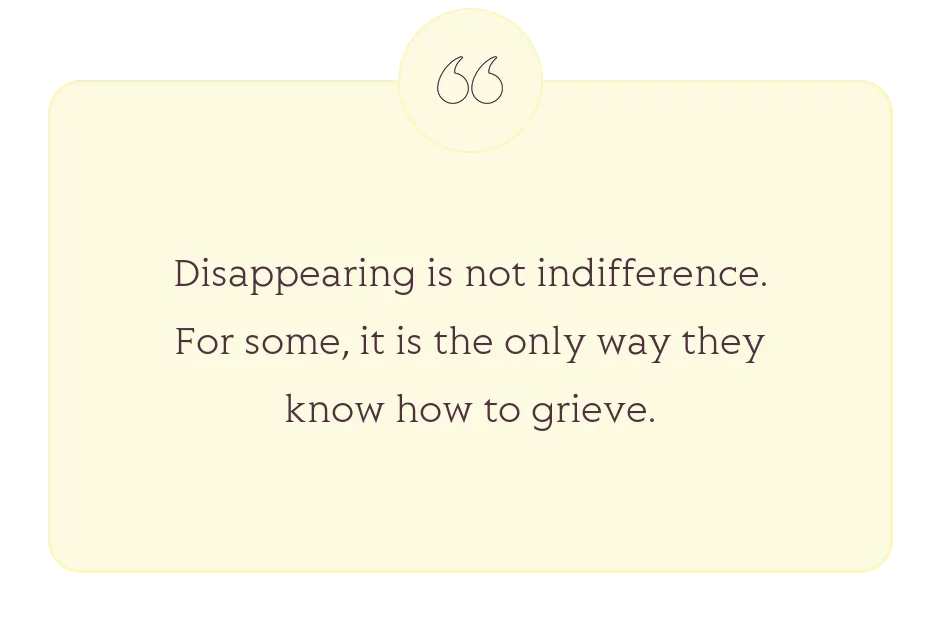
Why Avoidants Disappear After Breakups (Understanding Avoidant Attachment)
One of the most confusing experiences after a breakup is when someone suddenly disappears.
You may have expected conversations, emotional closure, or some kind of gradual transition, but instead, communication stops.
Messages go unanswered. Conversations feel distant. And sometimes the person who once shared so much of their life with you becomes almost completely silent.
If your former partner had avoidant attachment tendencies, this behaviour can feel especially difficult to understand.
You might find yourself wondering:
“Why did they disappear so suddenly?”
“Did they stop caring about me?”
“Why didn’t they want to talk things through?”
Understanding how avoidant attachment works can help explain why some people respond to breakups by creating distance.
(Because for avoidant partners, distance can sometimes feel safer than emotional intensity.)
What Is Avoidant Attachment?
Attachment styles describe how people tend to respond to closeness, vulnerability, and emotional connection in relationships.
You might also find it helpful to read: Do Avoidants Come Back After a Breakup? (Understanding Avoidant Attachment).
People with avoidant attachment often prioritise independence and emotional self-reliance.
They may feel uncomfortable when relationships become highly emotionally intense or when vulnerability increases.
This doesn’t mean avoidant individuals don’t care about their partners.
Rather, their instinctive response to emotional pressure may be to create space.

Why Avoidants Often Create Distance After Breakups
When relationships end, emotions can become overwhelming.
You might also find it helpful to read: Why Avoidant Partners Pull Away After Breakups.
For people with avoidant attachment, strong emotional intensity may trigger a need for distance.
Instead of talking through feelings or seeking reassurance, they may cope by withdrawing.
This withdrawal can take several forms:
- reducing communication
- avoiding emotional conversations
- focusing heavily on work or routines
- distancing themselves from reminders of the relationship
From their perspective, creating space may help them regain emotional stability.
From the other partner’s perspective, however, this sudden distance can feel deeply painful.
Why Silence Can Feel So Personal
When someone disappears after a breakup, it’s easy to interpret their silence as a sign that the relationship didn’t matter.
You may think:
“If they cared, they would talk to me.”
“They must not miss me at all.”
“I was easy to forget.”
But avoidant withdrawal is often more connected to emotional coping patterns than to the value of the relationship itself.
Creating distance can be a way of managing overwhelming emotions rather than avoiding them entirely.
Even though the silence may feel personal, it often reflects how someone processes stress, not necessarily how much the relationship meant.
Why Avoidants May Process Breakups Later
Another reason avoidant partners sometimes appear unaffected at first is that their emotional processing can occur later.
In the immediate aftermath of a breakup, they may focus on practical aspects of life such as work, responsibilities, or routines.
Only later, when emotional intensity has decreased, might they begin reflecting on the relationship.
This delayed processing can sometimes lead to renewed contact, though it does not happen in every situation.
The Impact on the Other Partner
When one person withdraws emotionally, the other partner may feel left with unanswered questions.
This can create feelings of:
- confusion
- rejection
- frustration
- longing for clarity
If you have an anxious attachment style, the silence may feel particularly distressing because it removes opportunities for reassurance or understanding.
Recognising that these patterns are often related to attachment dynamics can help shift the focus away from self-blame.
Why Understanding the Pattern Can Help Healing
Learning about attachment styles does not necessarily change what happened in the relationship.
However, it can provide valuable context.
Instead of interpreting silence purely as rejection, you may begin to see it as part of a larger emotional pattern.
Understanding the dynamic can help you release some of the confusion and redirect your attention toward your own healing.
Sometimes clarity comes not from the other person explaining their behaviour, but from understanding the emotional patterns behind it.
Frequently Asked Questions
Why do avoidants disappear after breakups? Avoidant individuals may cope with emotional stress by creating distance, which can include reducing communication or withdrawing entirely.
Do avoidants miss their ex after a breakup? Yes, they may miss their ex, but they often process emotions privately and may not express those feelings outwardly.
Why do avoidants avoid emotional conversations? Avoidant attachment is often associated with discomfort around vulnerability and intense emotional discussions.
Do avoidants come back after disappearing? Sometimes avoidant individuals reconnect after they have had time to process the breakup, though this does not occur in every situation.
How should you respond if an avoidant partner withdraws? Focusing on your own healing and emotional boundaries can be more helpful than trying to force communication.